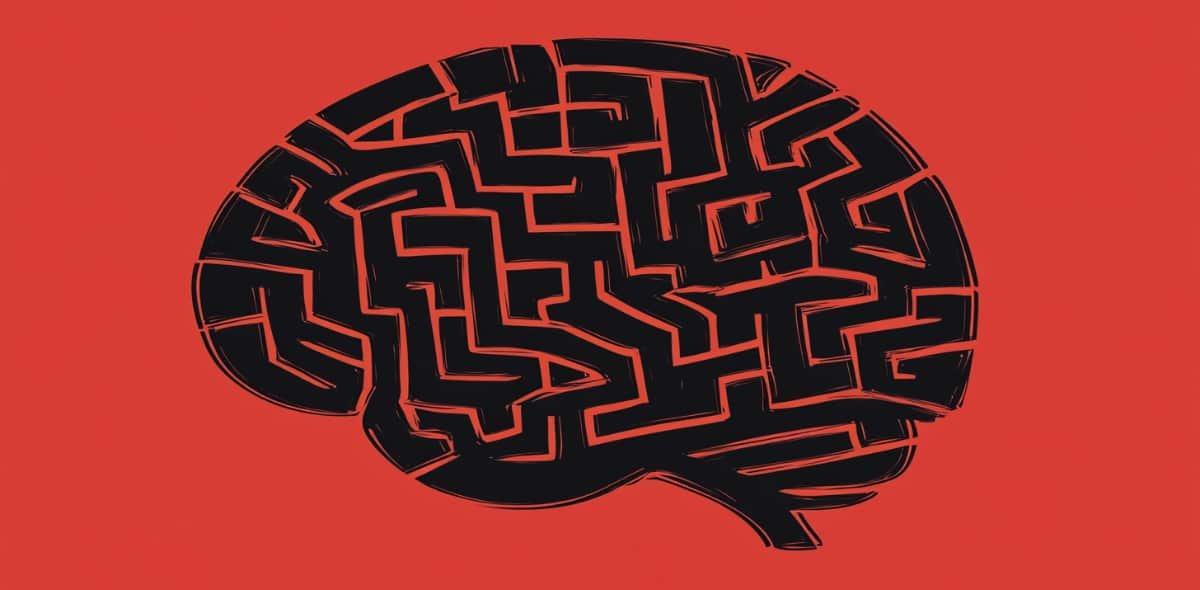



When the Mind Turns Against Itself
A “bad trip” is one of those phrases that sounds almost casual. Like it belongs in a story someone tells at brunch. But when it’s happening, it does not feel casual. It feels overwhelming. It feels like your own mind has turned unfamiliar. It can feel like panic without edges. Like fear without a clear object. Like the floor beneath you has quietly disappeared.
Psychedelics amplify what is already present in the nervous system. They don’t invent thoughts so much as magnify them. If someone is carrying unresolved anxiety, buried grief, unspoken trauma, or just a general sense of instability, those things can become very loud very quickly. A bad trip isn’t usually about monsters or hallucinated creatures. It’s more often about losing a sense of control. About the brain’s alarm system getting turned all the way up with no dimmer switch.
What Is a Bad Trip?
When the brain perceives threat—real or imagined—it activates the fight-or-flight system. Heart rate increases. Breathing changes. Thoughts race. On psychedelics, that activation can become disorienting because perception itself is altered. Time may stretch. Visual distortions may intensify. The mind may loop on a single frightening idea. And because the experience feels chemically amplified, it can feel permanent, even when it isn’t.
In Palm Springs especially, where psychedelic experimentation has woven itself into wellness culture, it’s important to say something clearly: altered states are not automatically healing states. The nervous system needs safety more than it needs expansion.
What Is Actually Happening During a Bad Trip
LSD, psilocybin, and other hallucinogens affect serotonin receptors, particularly the 5-HT2A receptor. That receptor influences perception, mood, and cognition. When it is overstimulated, sensory processing changes dramatically. The brain becomes less anchored to predictable reality. For some people, this feels freeing. For others, it feels destabilizing.
The brain thrives on predictability. It likes knowing what walls look like. It likes knowing how long a minute lasts. When perception becomes fluid, the brain can interpret that fluidity as danger. The amygdala—the part of the brain that scans for threat—can light up. And once it does, everything gets filtered through fear.
A bad trip is not a sign that someone is weak. It is usually a sign that the nervous system feels unsafe.
What Can I Do If I’m in a Bad Trip Right Now?
If someone is currently experiencing a bad trip, the goal is not insight. The goal is stabilization.
Here are immediate steps that genuinely help:
- Move to a quieter, calmer space with minimal stimulation
- Lower lighting and reduce noise
- Slow breathing intentionally (inhale 4 seconds, exhale 6 seconds)
- Remind yourself verbally: “This is temporary. This is a substance effect.”
- Stay with a grounded, calm person if possible
Hydration helps. Gentle reassurance helps. Avoid confrontation or intense questioning. The nervous system does not need analysis; it needs safety.
The experience will pass. Psychedelic effects are time-limited, even when they feel endless.

When a Bad Trip Doesn’t End
Sometimes the acute experience fades, but something lingers. Anxiety may remain elevated. Sleep may be disrupted. Reality may feel slightly “off.” This is where people get scared. They wonder if they broke something permanently.
Most of the time, the brain recalibrates within days or weeks. But if symptoms persist—panic attacks, depersonalization, intrusive visual disturbances, or persistent fear—it may indicate that the nervous system was pushed past what it could comfortably integrate.
This is not uncommon. And it is treatable.
At SolutionPoint Behavioral Health in Palm Springs, we see individuals who experimented with psychedelics thinking they were opening their minds, only to discover they destabilized an already sensitive system. There is no shame in that. There is only the next step: helping the brain settle again.
Why Some People Are More Vulnerable to Bad Trips
Not everyone reacts the same way. Vulnerability often increases if someone has:
- A history of anxiety or panic disorder
- Unresolved trauma
- Bipolar disorder or a family history of psychosis
- Significant current life stress
- Sleep deprivation
Psychedelics reduce the brain’s filtering mechanisms. If someone already has difficulty regulating mood or perception, that reduction can expose raw edges.
Again, this isn’t a moral issue. It’s a neurological one.
The Desert, The Mind, and Stability
Palm Springs attracts seekers. People come here to reset, to expand, to experiment with new ways of being. There’s nothing wrong with wanting clarity. But clarity does not come from overwhelming the nervous system. It comes from stabilizing it.
When the nervous system is steady, insight follows naturally. When it is dysregulated, insight gets distorted.
A bad trip can feel like failure. It isn’t. It’s information. It tells you your brain needs containment, not expansion.
When to Reach Out for Help
If after a psychedelic experience you notice:
- Ongoing anxiety or panic
- Persistent visual disturbances
- Feeling detached from yourself or reality
- Depressive symptoms that weren’t there before
- Trouble sleeping for more than a week
It may be time to talk with a mental health professional.
SolutionPoint Behavioral Health offers structured support through residential treatment as wellas PHP and IOP programs designed to help stabilize mood, regulate anxiety, and restore a grounded sense of reality.
You do not have to navigate post-psychedelic destabilization alone.
Getting Addiction Help in Palm Springs
A bad trip is frightening because it makes your own mind feel unreliable. But the brain is resilient. It recalibrates. It heals. It returns to baseline with support.
If you are in Palm Springs or the surrounding area and struggling after a psychedelic experience, SolutionPoint Behavioral Health can help you regain stability and clarity.
Call us today to speak with someone who understands both the neurobiology and the emotional reality of what you’re experiencing. Healing does not require expanding your mind further.
Sometimes it requires helping it feel safe again. Call now: 833-773-3869.
This article has been clinically reviewed by Dr. Sean Barlow.