


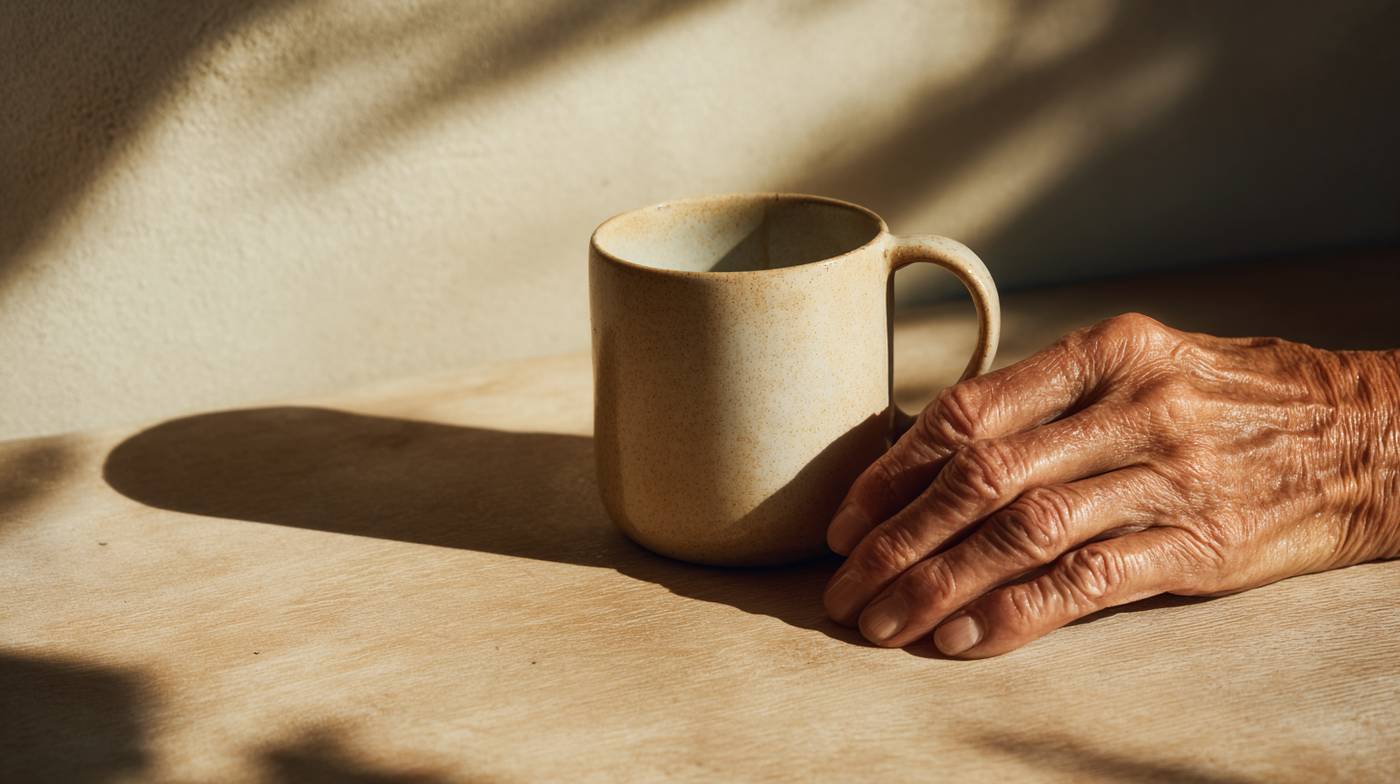
As the saying goes, the only guarantees are death and taxes. But one other reality comes in pretty close behind: aging. It comes for all of us, and as it approaches, it changes things. More than just our joints aching and the lines on our faces getting deeper, the way we deal with alcohol on a physical and psychological level gets some rearranging, as well. When talking about alcohol addiction help for older adults, we have to remember that a glass of merlot with dinner has different effects than it did a few years ago.
Alcohol Addiction Help for Older Adults: Start Here
An older adult with an addiction to alcohol doesn’t exactly fit culture’s description of an addict. They aren’t finding themselves in the gutter after a bender at the local watering hole. They may not even get the DUI because they aren’t driving anyway. However, they may wake up in their recliner with mysterious bruises or need most of the day to recover from the “quiet night in.”
All of that said, the signs are subtle, but the stakes are high.
Why Alcohol Hits Harder as You Get Older
When we get older, our bodies become pickier. Our needs become greater for things we once took for granted. Things like sleep, hydration, and the right chair for our backs’ sake matter a lot. Along with this, our old friend that never came on too strong (alcohol) is now something that can ruin your whole week and still make you want to come back for more.
Older adults who drink too much also have a metabolism that works more slowly than it used to. Not to mention the liver. It takes more to keep it running correctly. If you throw in medication along with the very real mental issues many older adults deal with (loneliness, grief, boredom), it’s quite easy to see why turning to alcohol is a common “solution.” All too common.

The Real Risks of Drinking for Older Adults
For so many of us, we can live full and wonderful lives after 60. However, where alcohol is involved, there are also some biological realities to consider. And some real consequences. Think of high blood pressure when blood pressure was already an issue. Heart strain, deeper depression, medication issues, poor sleep, potential falls, all of these are risks for older adults when they have an alcohol addiction.
The fact that our collective assumption for a person with an alcohol use disorder tends to skew younger only makes matters worse. The fact is that the elderly are often let “off the hook” where addiction is concerned. This could be the biggest risk of all.
Warning Signs That Something Isn’t Right
You don’t always get a dramatic rock-bottom moment when it comes to alcohol addiction in older folks. Sometimes it’s small shifts, like life going slightly sideways and refusing to straighten itself out.
Common signs of alcohol addiction in older adults:
- Drinking more than intended “just to relax”
- Bruises with no known origin story
- Forgetting medications or mixing them with alcohol
- Declining hygiene or skipped meals
- Mood swings with whiplash energy
- Drinking earlier in the day than ever before
None of these signs are proof of failure. They simply mean someone’s body is whispering, “Something’s off… maybe ask for help?”
Can Older Adults Safely Detox From Alcohol?
Detox is a rough experience. Sometimes people wonder if it might be too harsh for an older loved one. The truth is, yes, there is reason to be careful here. But an older adult can detox. They just should do it at a qualified addiction treatment center.
Alcohol withdrawal doesn’t care about life experience, wisdom, or how many grandkids someone has. It can be physically brutal, especially for aging bodies.
This is why professionals must be on hand to watch blood pressure changes, manage withdrawal symptoms, and use their experience to help guide the entire process safely and with compassion. This is the responsible option.
There should not be any sort of white-knuckling here. In a qualified detox set up for an older adult, they can rest. They can be cared for. They can heal safely.
How Do I Get Addiction Treatment for an Older Adult?
This is where things get tender. Grown children often walk a tightrope between wanting to help and not wanting to sound patronizing. No one wants to be the ungrateful son or daughter who says, “Hey, Mom, you have to stop having fun.”
The best approach is compassionate honesty paired with professional guidance.
Start with a physician or treatment center experienced in alcohol addiction help for older adults—people who know the difference between normal aging and alcohol-related harm.
In Palm Springs, SolutionPoint is exactly that kind of place: private rooms, calm environment, clinicians who understand aging bodies, and the gentle confidence to say, “We’ve got you.”
Is Outpatient Treatment a Good Fit for Older Adults?
For many older adults, outpatient addiction treatment is an option. Outpatient treatment allows a person to maintain dignity, routine, and independence while still getting real support.
It’s therapy, medical monitoring, and practical skills without forcing someone to uproot their entire life.
But outpatient works best after a safe detox. Once the body is stable, older adults often thrive with the structure and connection it offers. It’s a way to rebuild a healthier relationship with life—slowly, steadily, and without shame.
When You’re Ready to Take a Brave Step Forward
There is no expiration date on getting your life back. There’s no “too late,” no age limit on courage. Whether you’re an older adult worrying about your own drinking or someone caring for someone you love, help is both possible and profoundly worthwhile.
SolutionPoint in Palm Springs meets older adults with dignity, warmth, and medical expertise that takes every fear seriously. You don’t have to navigate this alone.
Call 833-773-3869 to talk with someone who understands and can help you take the next small, brave step.