
This article has been clinically reviewed by Dr. Sean Barlow.
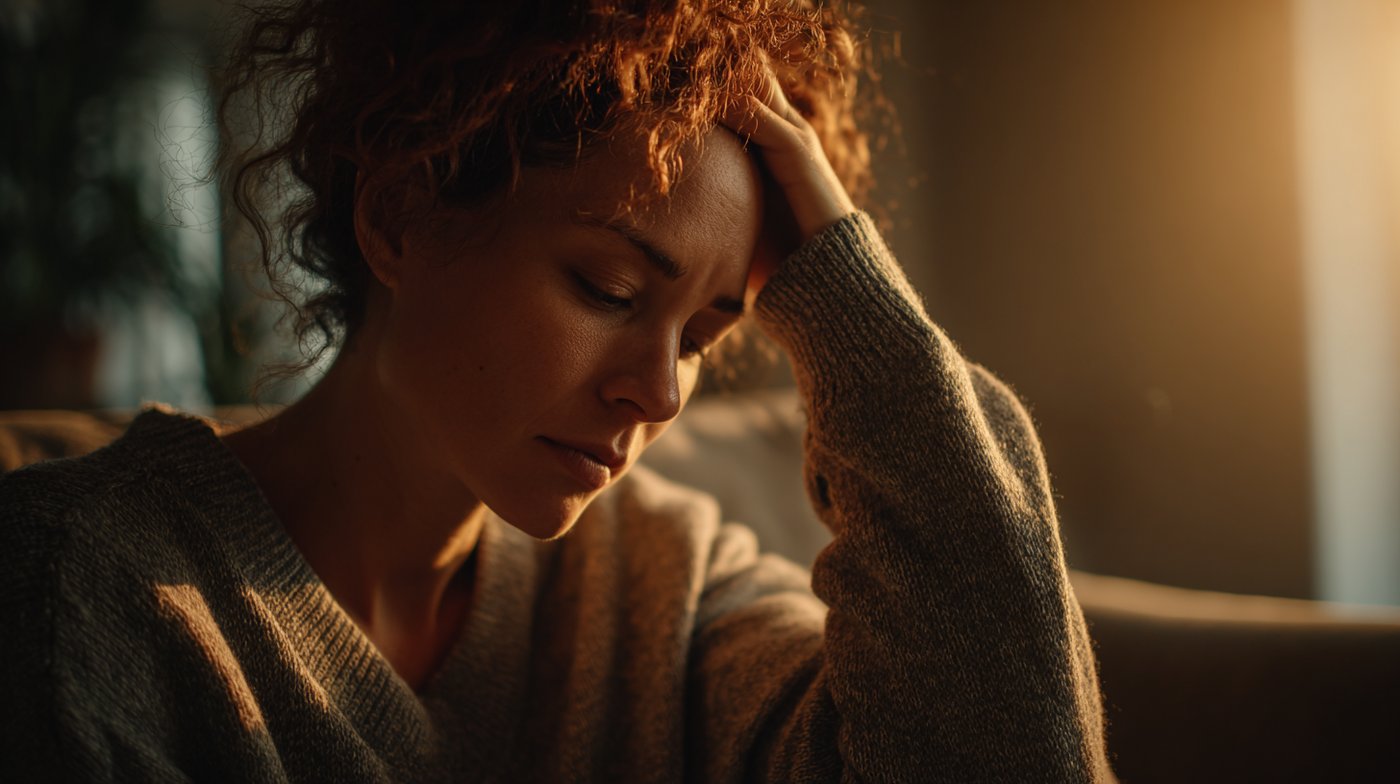
Anxiety wears many masks. We make a mistake when we think it is only worrying about something. It is just as often racing thoughts that never let go. Maybe a constant tightness in your chest. Some people experience anxiety as a need to be constantly on the move or overly busy. Some feel an inability to make even the smallest decision without spiraling. And when your brain won’t let you rest, it starts hunting for anything that might shut it up. Enter: the common combination of anxiety and drug use.
A little something to take the edge off. Something to help you sleep. Something to help you feel like you can make it from the morning to noon. It might seem unreal, but for many people, it’s basic human survival.
Only it’s a road that only makes things worse. And you know this.
Dual Diagnosis: Anxiety and Drug Use
Dual diagnosis is a clinical way of saying, “There’s more than one thing going on here, and we need to treat both.” Makes sense, but not everyone understands this.
When anxiety and drug use get tangled together—as they often do—you can’t line your treatment up and take it one at a time. Treating addiction without tending to the anxiety underneath is like mopping up water without fixing the leak. You address them both simultaneously.
Which Came First: The Panic or the Pill?
People often ask if drug use causes anxiety or if anxiety causes drug use. Chicken and the egg. It tries to put this whole thing in a nice and neat cause-and-effect equation.
But the truth is, for most peopl,e it’s a tangle of both.
Drugs, especially stimulants or anything that messes with dopamine, can create anxiety symptoms even after use. Your brain, trying to balance itself out, swings from overdrive to full-blown crash. This does not help with any anxiety. And a clinical anxiety disorder just falters under this situation.
On the other hand, anxiety can lead people to self-medicate. It’s not uncommon. Maybe it starts with weed, maybe it’s benzos from a friend, maybe something stronger.
Not because someone wants to “party,” but because the world feels unbearable. But like we said before, this is only a road to making things worse.
A Familiar but Misunderstood Pattern
So let’s just say it: yes, it’s common to self-medicate anxiety with drugs. That’s not the same as healthy. But normal? Sure.
The brain seeks relief. It scans the environment for what’s available, and if relief comes in the form of a bottle or a pill, it’ll take it. But over time, that quick fix rewires the brain’s natural ability to self-regulate. This is where dependence and addiction enter the conversation, and it goes beyond choosing to simply stop.
The drugs you once leaned on to soothe anxiety now cause more of it. It’s a vicious loop. Which is why dual diagnosis care isn’t about blame. It’s about untangling anxiety and drug use at the level where they actually meet: the brain.
What Real Dual Diagnosis Treatment Looks Like
Effective treatment for anxiety and drug addiction is never a one-size-fits-all. It’s an integrated process that addresses both the symptoms and the patterns that feed them. And it looks like this:
- Medication-Assisted Treatment (MAT) that avoids triggering addictive pathways
- Cognitive Behavioral Therapy (CBT) to retrain anxious thought cycles
- Somatic work or mindfulness to teach your body it’s safe again
- Structured detox and stabilization for the substances
- Ongoing support and care that doesn’t disappear after 30 days
Why Dual Diagnosis Deserves Real Help
Recovery isn’t about choosing between fixing your anxiety or treating your addiction. That’s an outdated model that ignores the deeper reality that these things are connected. One doesn’t exist in a vacuum. And when treated together—with the right medical and emotional support—healing becomes possible in a way it never was before.
If you’re seeing yourself in these words, or someone you love, you don’t have to keep holding this mess together on your own. Anxiety and drug use isn’t just a clinical phrase—it’s something we treat every day with compassion, skill, and evidence-based care.
A New Place to Begin
At SolutionPoint Behavioral Health in Palm Springs, we specialize in dual diagnosis treatment that addresses both sides of the coin—anxiety and drug use—with humanity and clinical expertise. Call us today at 833-773-3869. You don’t have to keep trying to survive on your own. Let’s take the next step together.